SurfBank
Paid Technical & Product Audit — CTO-level review to shape Release 2.0, platform scalability, and AI strategy across web, backend, mobile, and a browser extension.
What changed
Paid technical audit: architecture, AI/search, and mobile assessment plus a dependency-driven Release 2.0 roadmap — modernize, don't rewrite.
Context
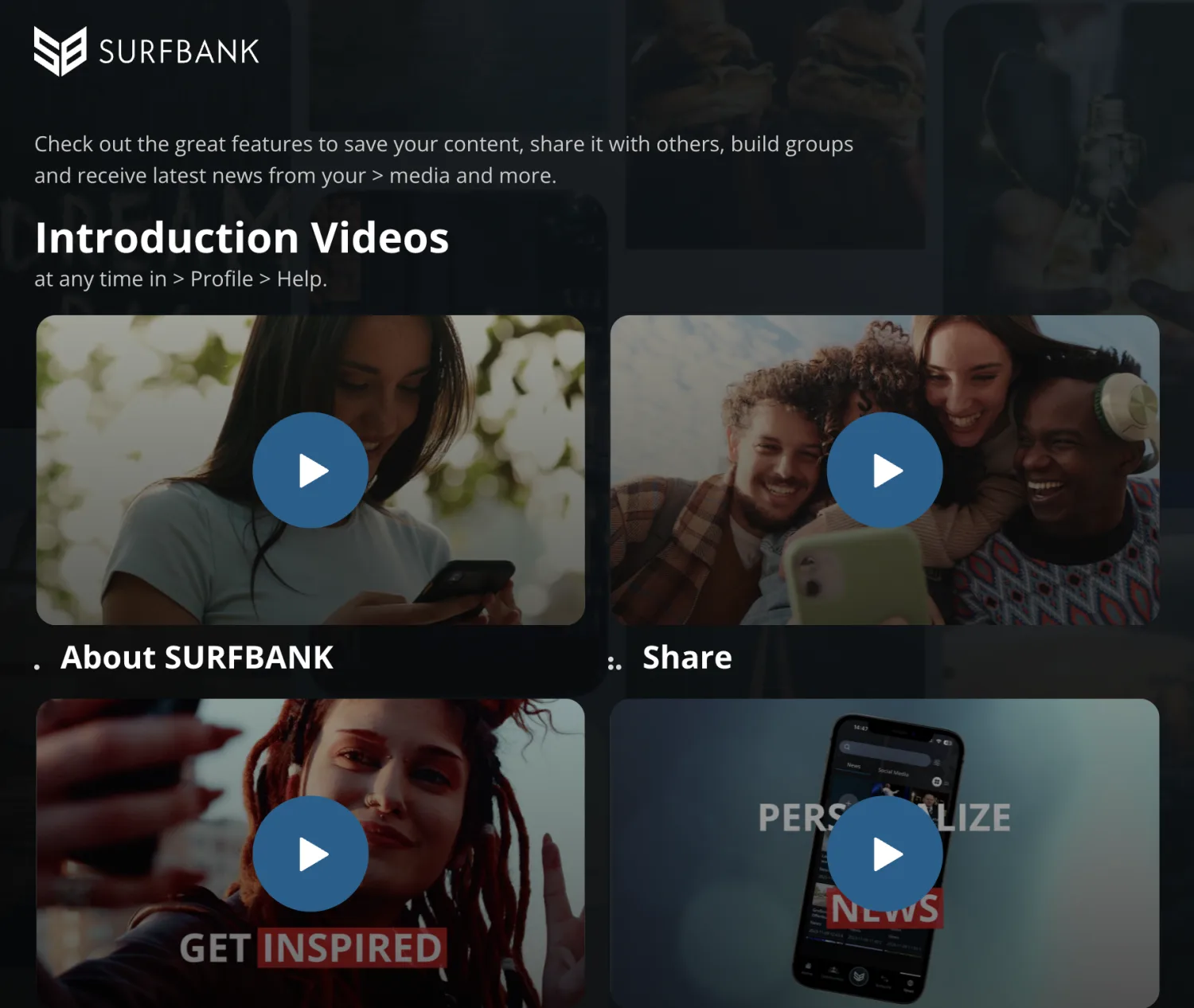
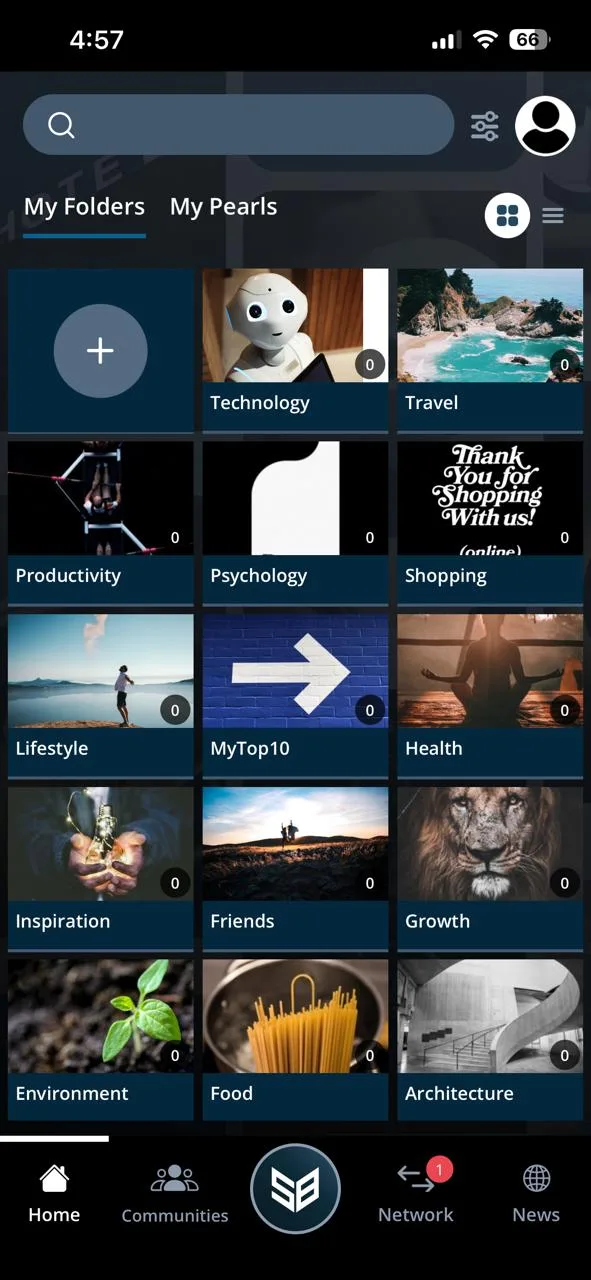
SurfBank is a multi-platform knowledge management and content organization platform — a Next.js web app, a .NET / MySQL backend, native Android (Kotlin) and iOS (Swift) apps, and a browser extension. The founders engaged me for a paid technical and product audit focused on Release 2.0 planning, platform scalability, AI strategy, mobile architecture, search, and operational maturity.
What Was Going Wrong
SurfBank had already invested heavily across multiple platforms, so the question was never whether the product could be built — it was what should happen next. Could the current architecture support the next stage of growth? Should the stack be retained or replaced? How should AI and search be introduced? Should mobile stay native? What roadmap should Release 2.0 follow? The founders needed an independent CTO perspective before committing to major product and engineering decisions.
What I Owned
I evaluated SurfBank as a complete product ecosystem rather than reviewing repositories in isolation — across the product layer (user journeys, workspaces, content capture, search and discovery), the application layer (web, Android, iOS, browser extension), the platform layer (backend, APIs, authentication, data ownership, infrastructure), and the strategic layer (AI direction, team structure, scaling, release planning, operational maturity). The work spanned a product audit, architecture review, AI strategy, scalability assessment, and a prioritized roadmap. The objective was not to find bugs — it was to determine how SurfBank should evolve technically while protecting existing engineering investment.
Key Findings & Recommendations
No rewrite. Retain the .NET backend, MySQL, and Next.js web platform and pursue controlled modernization instead of premature microservices or stack replacement. Make search the core AI strategy — start with content, people, metadata, and permission-safe retrieval before recommendation engines or chat, because strong search creates immediate value and the measurable usage signals that future AI depends on. Consolidate mobile by stabilizing the native Android/iOS apps and aligning platform contracts now, then migrating gradually toward React Native once those contracts are stable — not a full rewrite. Move content capture into a backend-owned processing pipeline (minimal save → queue → metadata extraction → language detection → indexing → search availability). Treat language expansion as architecture, not translation, by separating interface language, user region, original content language, and the translation layer. Add a formal offline strategy with a hybrid local + cloud model, and raise operational maturity with error tracking, monitoring, release controls, recovery validation, and deployment governance.
What Changed
The founders left with a clear, independent CTO assessment and a dependency-driven Release 2.0 roadmap — structured across seven workstreams: platform stabilization, first-value experience, content capture & metadata, search & AI, mobile continuity, workspaces & community, and release readiness. The key conclusion: SurfBank's next challenge wasn't building more features. It was transforming an existing multi-platform product into a scalable, searchable, operationally mature platform ready for AI-driven capabilities — without unnecessary rewrites.
Proof Points
Stack & Systems
Technical and product audit, architecture review, AI and search strategy, mobile modernization, scalability assessment, and release planning — without unnecessary rewrites.